Estate planning
Professional Trustee Service
We act as, or alongside, the trustees for the life of the trust — keeping records, filing returns and making distributions — so that the job does not fall to a family member for twenty years.
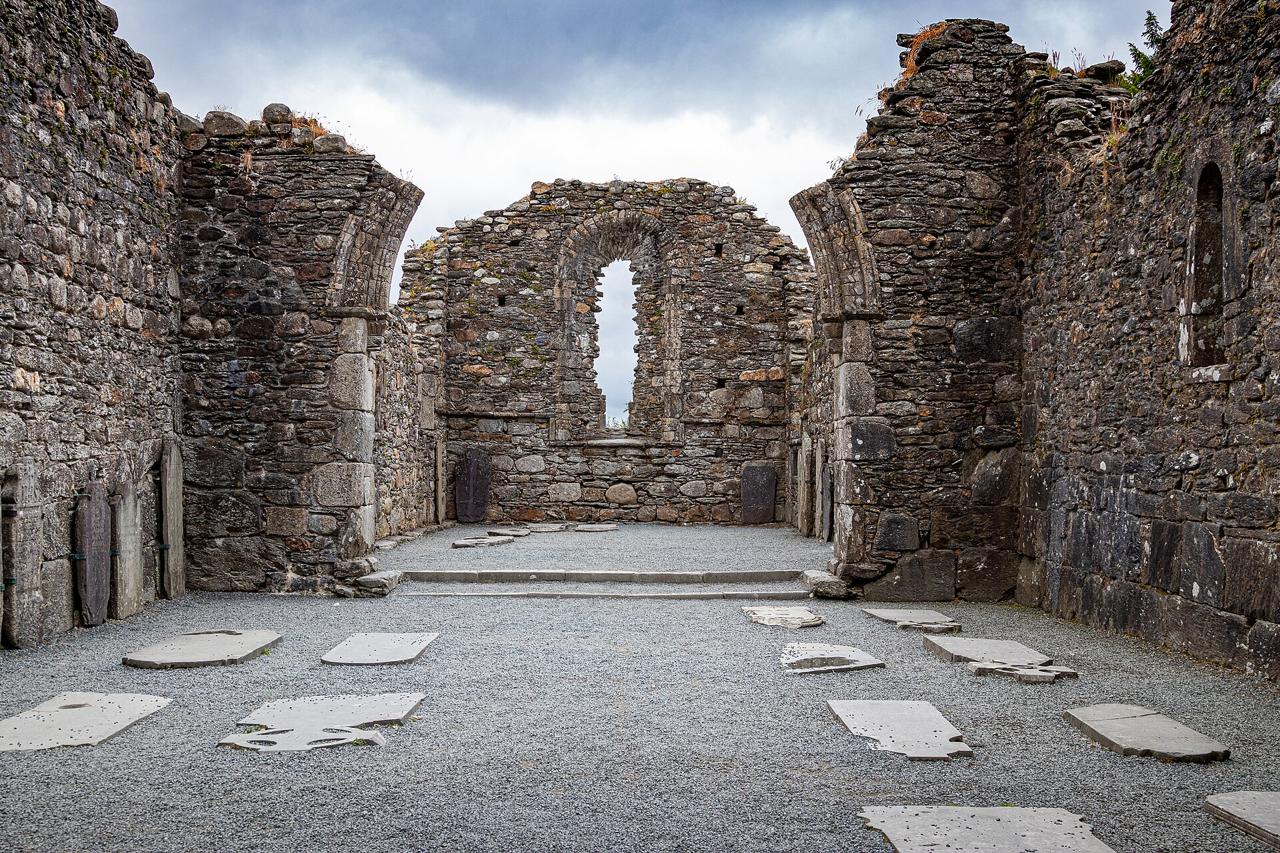
Glendalough, Co. Wicklow · Superbass, CC BY-SA 4.0
Who it is for
Settlors and families who need an independent trustee
What it does
- Sole or co-trustee appointments
- Annual trustee meeting and minuted decisions
- Trust register filings and tax return coordination
- Continuity: the service does not resign when a person retires
The product in full
A trust written today may still be running in 2060. Somebody has to keep its records, hold its annual meeting, minute its decisions, coordinate its filings and its returns, and make its distributions — and in most family arrangements that somebody is a relative who agreed to be a trustee at a signing and did not fully understand what they were taking on.
The consequences show up years later: no minutes for a decade of decisions, a registration never filed, a distribution made without a resolution, and a trustee who has become personally exposed for doing a favour. None of it was malicious and all of it was predictable.
This service does the job properly. We act as sole trustee or alongside the family’s own trustees, hold at least one minuted meeting a year, keep the records, coordinate the trust register filings and the tax returns, and make distributions on a resolution. The fee is a fixed annual amount with transaction fees on top, so the cost is knowable rather than a surprise.
The feature that matters most is the least visible: continuity. The service does not resign because an individual retires, moves firm or dies. A trust that has to find a new trustee every decade spends its life in transition, and every transition is a point at which records get lost.
Literature
Product literature is issued to appointed intermediaries. Ask your underwriter, or request it through the enquiry form.
- Service descriptionOn request
- Fee scheduleOn request
- Deed of appointmentOn request
How it works
What happens, in order
From the first enquiry to the point the cover, the contract or the facility is in place.
Appointment by deed
As sole trustee, or as co-trustee alongside the family’s own. The deed of appointment records which.
Records and registrations are brought up to date
Including anything the previous trustees did not complete. On an existing trust this is usually the first substantive piece of work.
An annual trustee meeting, minuted
At least one a year, with decisions recorded. Minutes are what makes a discretionary decision defensible later.
Filings and returns coordinated
Trust register filings and the trust’s tax returns, coordinated with the trust’s own advisers.
Distributions on a resolution
Considered, minuted, and paid — in that order.

The numbers
A worked example
Illustrative arithmetic, so the shape of the product is visible rather than described. Nothing here is a quotation or a projection.
A year of trusteeship on a £600,000 trust
What the service actually does in a year. The fee basis is fixed annual plus transaction fees; the figures here are illustrative.
- Trust fund
- £600,000
- Appointment
- Co-trustee, alongside two family trustees
- Trustee meetings held and minuted
- 1
- Trust register position reviewed and filed
- Yes
- Tax return coordinated with the trust’s adviser
- Yes
- Distributions considered and resolved
- 2
- Illustrative fixed annual fee
- £1,850
- Illustrative transaction fees for the year
- £420
- Total illustrative cost, as a share of the fund
- 0.38%
Illustrative. Actual fees are set out in the fee schedule and depend on the trust, the assets and the number of transactions. The comparison worth making is not with zero — a family trustee is unpaid — but with what an unminuted decade costs to unpick.
Where the year’s work goes
An illustrative allocation of the fixed annual fee on the trust above.
Illustrative fixed annual fee
£1,850
- Records, register and filings£740 · 40%The part families most often leave undone
- Annual meeting and minutes£555 · 30%
- Tax return coordination£370 · 20%
- Beneficiary and adviser correspondence£185 · 10%
View these figures as a table
| Amount | Share | |
|---|---|---|
| Records, register and filings — The part families most often leave undone | £740 | 40.0% |
| Annual meeting and minutes | £555 | 30.0% |
| Tax return coordination | £370 | 20.0% |
| Beneficiary and adviser correspondence | £185 | 10.0% |
| Illustrative fixed annual fee | £1,850 | 100% |
Suitability
Where the Professional Trustee Service fits
The cases it answers, the cases it does not, and what an underwriter needs before quoting.
It is the right answer when
- Trusts expected to run for decades, where continuity matters.
- Families with no willing or suitable trustee, or one who wants support.
- Existing trusts whose records and filings have fallen behind.
Look at something else when
- A short-lived arrangement about to be wound up.
- Families who want full control of every decision — a co-trustee appointment shares it by design.
What we need to quote
- 1.The trust deed and any amending deeds.
- 2.The current trustees, the assets and the beneficiary details.
- 3.The registration and filing history, including anything outstanding.


Questions
What brokers ask us about this product
Sole trustee or co-trustee?
Both are offered. Co-trustee keeps the family involved in decisions and is the common choice; sole trustee suits a trust with no suitable family trustee at all.
What happens when the person handling our trust leaves?
Nothing, from the trust’s point of view. The appointment is to the service, not to an individual, which is the reason continuity is listed as a feature rather than assumed.
Can you take on a trust that is behind on its filings?
Yes, and it is a common reason for appointment. Bringing the record up to date is the first piece of work, and the fee schedule prices it separately from the ongoing service.
Request information
Ask us about the Professional Trustee Service
The form reaches an underwriter in Dublin. If you are an intermediary, say so and we will route it to the broker desk.